
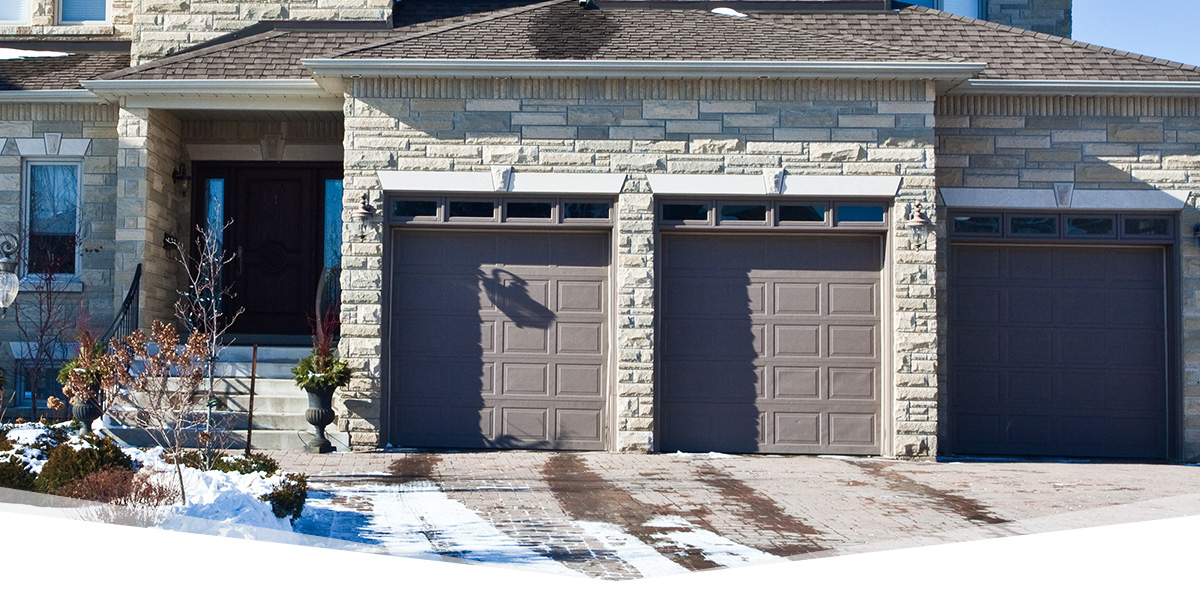

When you request a quote for a new garage door, you'll likely encounter a wide range of prices from one estimate to the next. That range exists because so many variables shape a final price, from material choice and size to insulation. But with so many different factors at play, there's an opportunity to decide which ones matter most for your home and budget.
This is why, when looking at new garage door costs, material-by-material guidance is important. By understanding how each material affects pricing before you request a quote, you'll be better prepared to choose the right option for your needs.
The Factors That Go Into How Much a New Garage Door Costs
No two quotes for a garage door replacement look exactly the same because several elements contribute to your final installed price:
- Material type: The material you choose tends to have a big influence on your garage door price.
- Door size: Typical garage door widths range from 8 to 10 feet to 16 to 18 feet.
- Insulation and R-value: This may play a big part in garage door replacement costs, especially for attached garages.
- Opener installation: A garage door opener may be quoted separately, depending on the type and features desired.
- Labor, installation and removal: A reputable garage door provider will be clear about the costs for all of this as part of their service.
Understanding these factors up front can help you accurately compare estimates for garage door installation and replacement as you explore each material.
Steel Garage Doors
Steel is durable and reliable enough to handle years of daily use. As a result, many homeowners see a steel garage door as a long-term investment that stays cost-effective well after installation. Steel's low maintenance needs also tend to make its overall price lower than that of other materials, depending on your specific needs.
The price of a steel garage door can change based on three main factors:
- Gauge thickness, with 24-gauge as the premium residential standard
- The number of layers — single, double or triple
- Insulation type
These variables can make steel the affordable baseline against which other materials are measured.
Carriage house garage doors, also known as barn-style doors, are available in steel, offering a classic aesthetic at a lower potential price point than real wood. For homeowners weighing new garage door costs against long-term value, steel's durability through freeze-thaw conditions and low upkeep can make it a solid fit for most homes.
Wooden Garage Doors
Wood is often considered a premium, visually appealing option. It typically carries a higher up front cost than most steel materials. Even so, many homeowners choose wood for its warm, high-end appearance and general curb appeal.
Several material and design choices will drive the price of these doors, including the wood species, panel design and window inserts. Cedar, mahogany and redwood can each influence the final price, especially when paired with more detailed designs or custom features.
It's also important to remember that the cost of a new wood garage door extends beyond the price tag. It requires an investment of your time, since periodic staining or repainting is necessary to get the most life out of the door.
Faux Wood and Composite
Faux wood and composite doors offer a practical middle ground, delivering the look of wood without the upkeep commitment. These doors generally cost less than real wood but more than steel, offering good value depending on your tastes. If you're still weighing your choices, it's worth exploring the differences between real and faux wood as part of your decision-making process.
Aluminum and Glass Garage Doors

Residential aluminum and glass garage doors work together as a single product type, pairing an aluminum frame with glass panels. While garage door prices vary depending on your provider and home specifics, this material generally costs more than the other options covered here.
Several factors typically contribute to the price of this option, including the type of glass, frame finish, door size and insulation features. Tempered, frosted, insulated and mirrored glass can each affect the final price, as can anodized, painted or powder-coated frame finishes.
Aluminum is generally considered a premium construction material, valued for corrosion resistance, lightweight strength and durability. Insulated glass can help during harsh winters. Privacy tends to be more limited than with steel or wood, though frosted or tinted options can help address that concern.
Why Other Factors Affect Final Installation Price
Understanding why these variables move the price helps you know what to expect and what to ask about before your quote arrives.
Single vs. Double Door Sizes
Single-car doors and double-car doors carry meaningfully different price tags because both material and labor costs scale with size. Single-car garage doors are typically 8 to 10 feet wide, while double-car doors are usually 16 to 18 feet wide. If your garage requires a door outside those standard ranges, you may receive a customized quote.
Insulation
An insulated garage door typically costs more than a standard one, but it may pay for itself over time through added comfort and potential energy savings, especially in cold climates. Polystyrene is generally considered to be the more affordable option, while polyurethane tends to perform better, depending on the specifics of your home.
Opener Installation
Your garage door opener is typically quoted separately from your door. This may not always be the case, but it's worth remembering because your total project cost may exceed the door price alone. Openers vary by drive type, including belt and chain. You may also find smart Wi-Fi-enabled models, each with its own price point and features.
Removal of Your Old Door
Removing and disposing of your old door is typically included in a professional installation quote, but you shouldn't assume this is always the case. Confirming this detail at the beginning helps you avoid any surprise costs once the work starts.
How Much Does a New Garage Door Cost?
The average garage door replacement typically costs $4,672 nationwide. With the estimated sale value at $12,507, a garage door replacement represents a cost recoupment of over 267%. Garage door replacement also ranks number one in home improvement projects nationwide.
Depending on your choice, a garage door can improve energy efficiency, curb appeal and hold its value over the years. For many homeowners, it's a satisfying way to increase their home's value or improve its appearance.
Get a Transparent Quote From AAA Garage Door
Now that you know what really drives a garage door installation cost, you're in a strong position to request a quote that matches your needs. AAA Garage Door has spent more than 25 years helping Nebraska homeowners with new installations and garage door replacement. Each job is handled by trained technicians, never subcontractors.
As a family-owned company that's fully licensed, bonded and insured, AAA Garage Door believes you deserve real numbers, not a lowball estimate that grows once work begins. Every quote reflects transparent, up front pricing with no hidden fees. Ready to see what your project would actually cost? Request an estimate and get a straightforward answer, not a guessing game.

Popular Posts